Skip to content
Hero Background Image

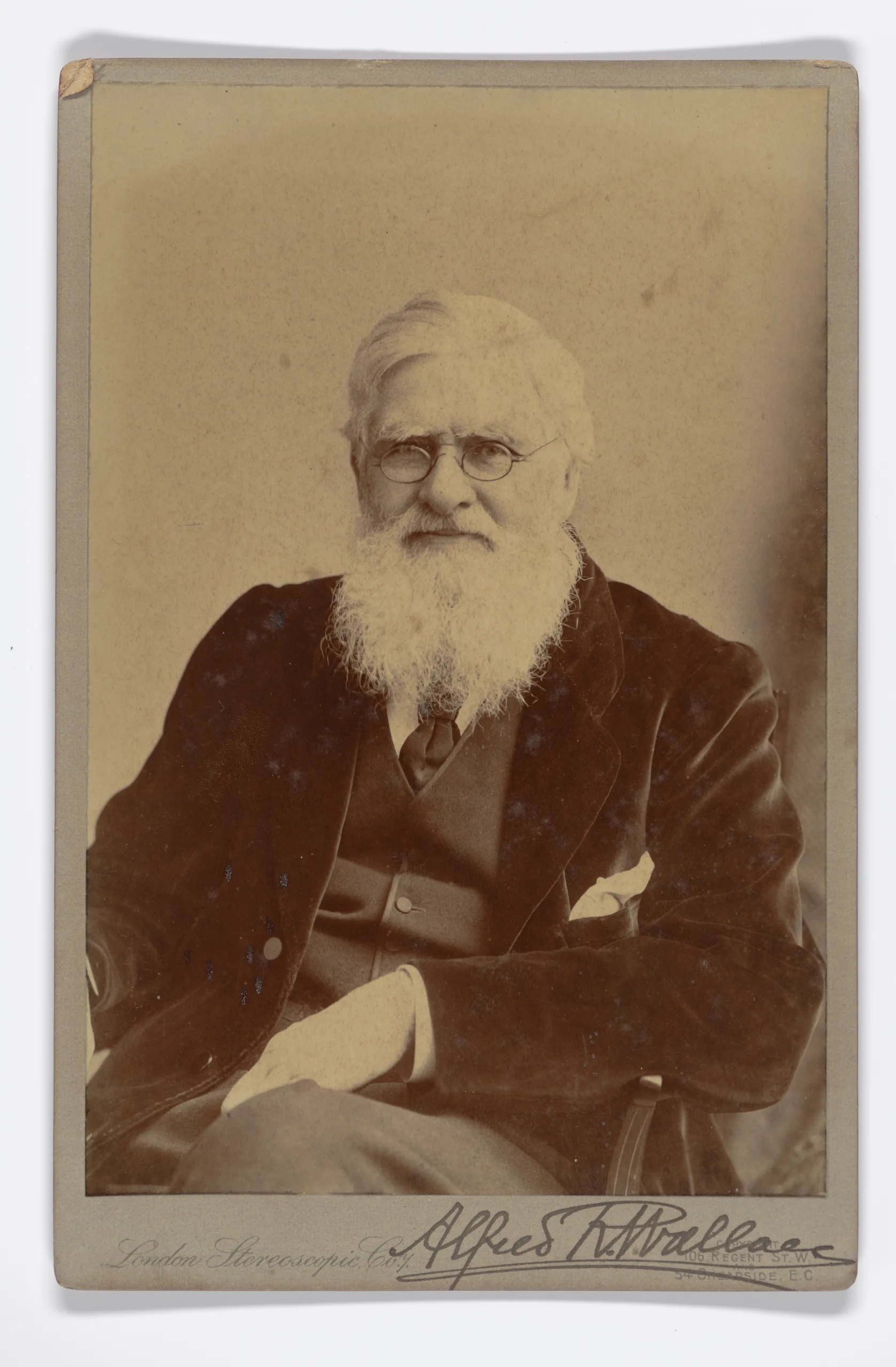
A cabinet card photo of Alfred Russel Wallace, c. 1907. Photo: LCR Digital Collections.

Alfred Russel Wallace

The life, travels, publications, and enduring legacy of the co-discoverer of natural selection.

A photo essay

Co-Discoverer of Natural Selection

Alfred Russel Wallace is best remembered as the naturalist who arrived at the theory of evolution by natural selection independently of Charles Darwin, but his scientific life was built on years of fieldwork and a steady output of books. After four years exploring the Amazon, he returned to England in 1852 and began publishing, first on the region's palms and then on his travels.

His eight years in the Malay Archipelago produced his most celebrated work, and his later books ranged from geography and island biology to a full defence of natural selection. Wallace's books travelled through a wide circle of family, friends and fellow naturalists. Surviving copies carry inscriptions, letters and other traces of the people who owned and read them.
Palm Trees of the Amazon

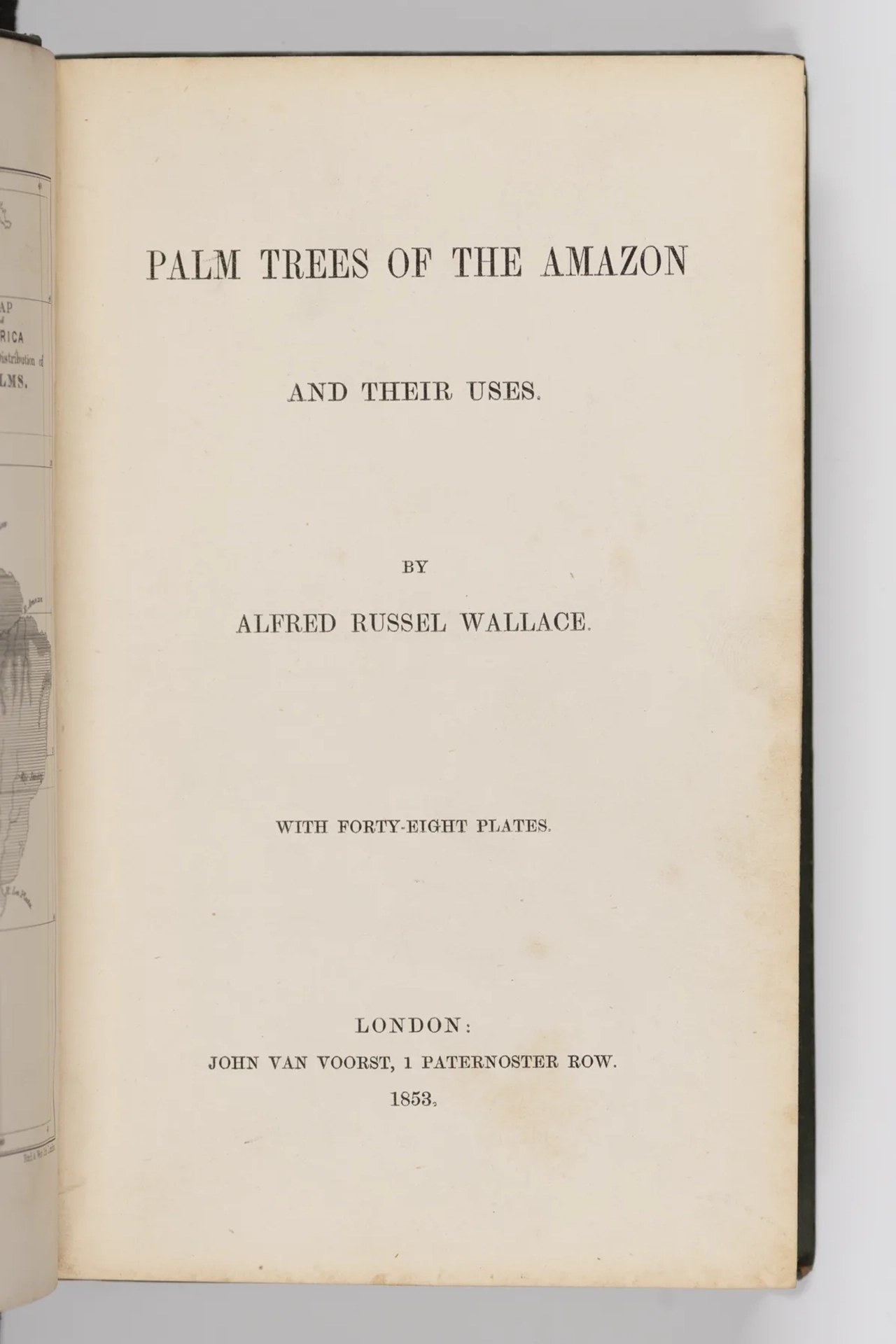
Palm Trees of the Amazon 1853
Wallace’s first book, Palm Trees of the Amazon and Their Uses (1853) had a small print run of only 250 copies. Rob Alexander, Digital Collections, Libraries and Cultural Resources

Travels on the Amazon

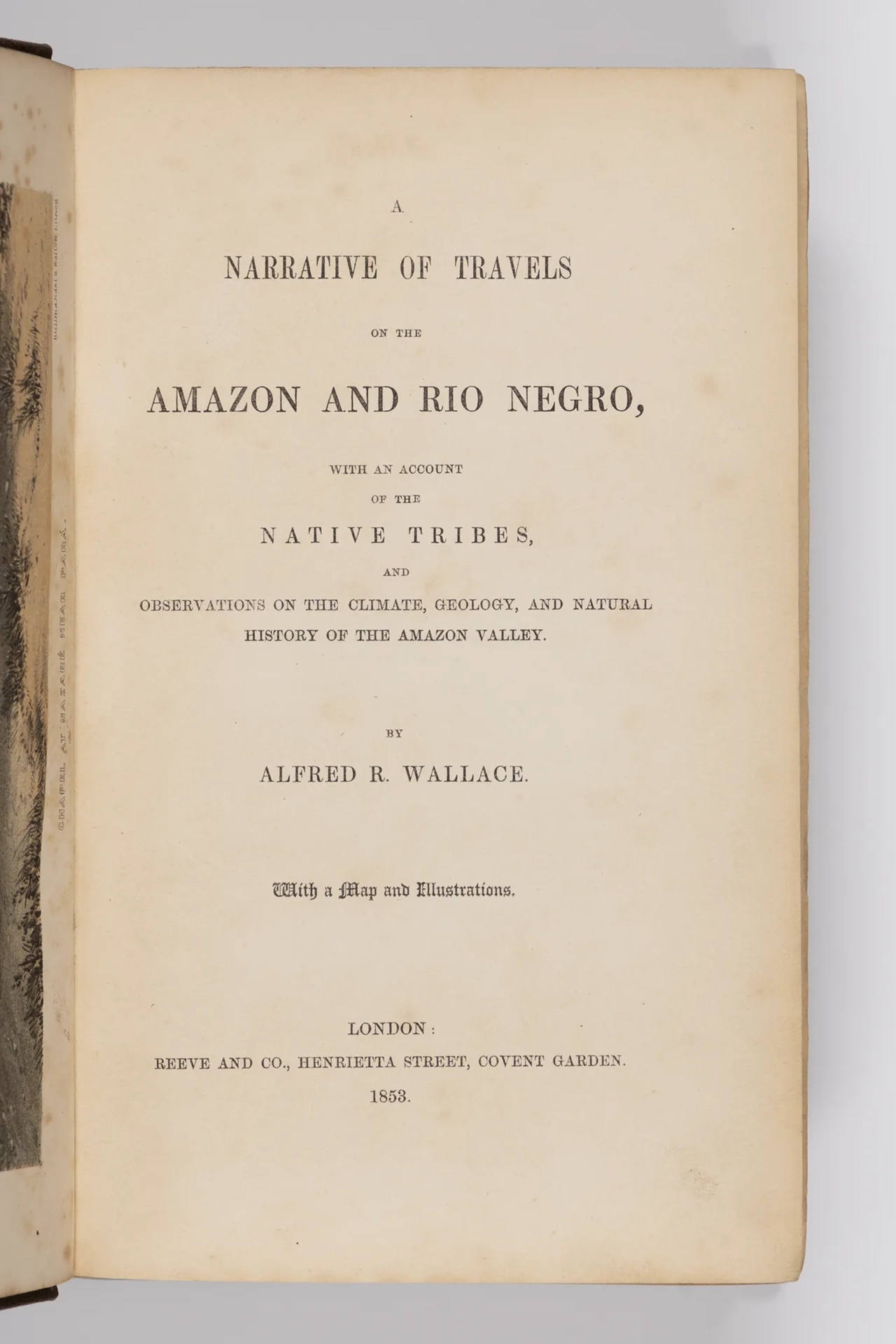
Travels on the Amazon and Rio Negro Quentin Keynes Copy
Wallace published his account of his travels to the Amazon and the Rio Negro in 1853. This copy was owned by Quentin Keynes (1921-2003), the great-grandson of Charles Darwin. Rob Alexander, Digital Collections, Libraries and Cultural Resources

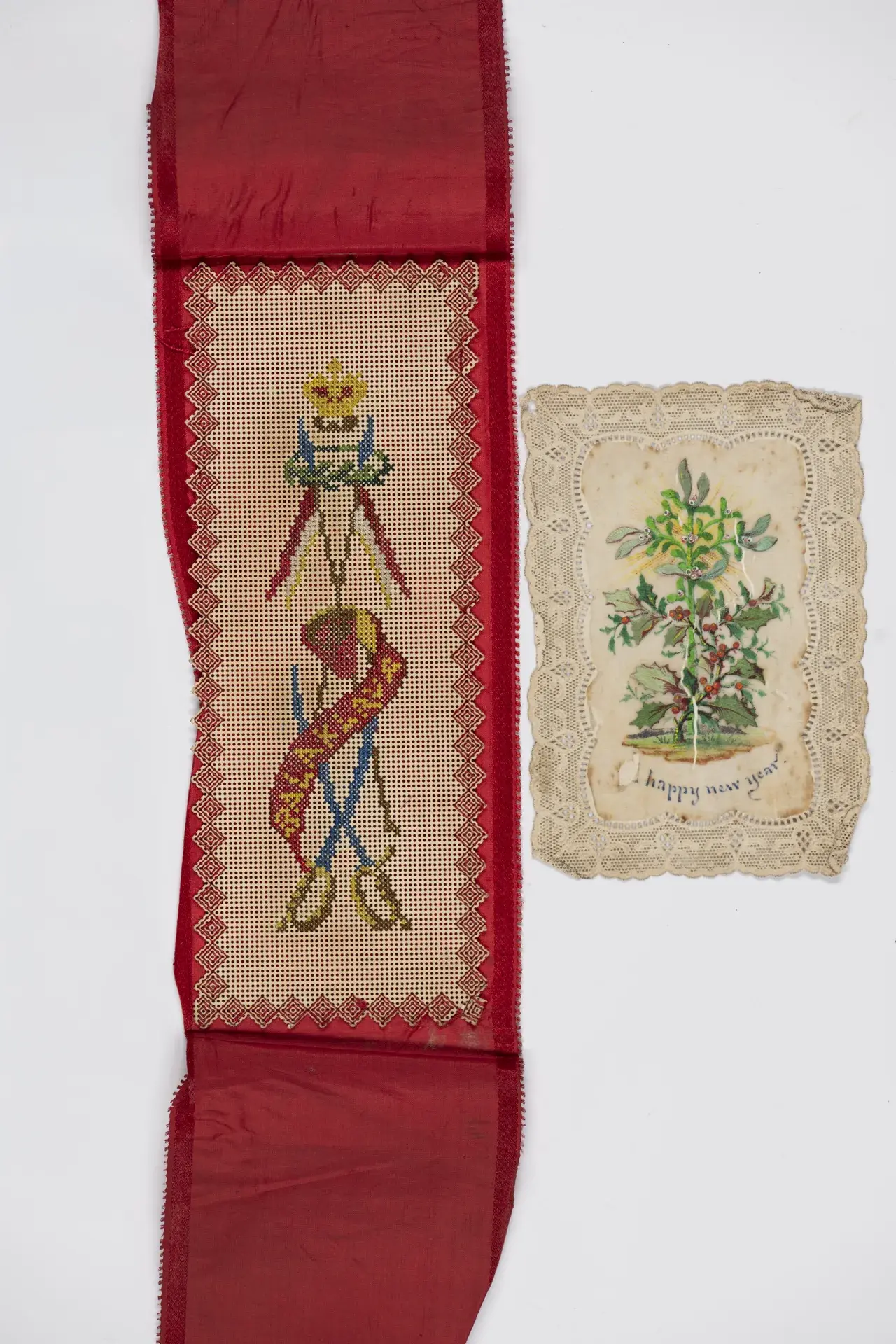
Bookmark & Greeting Card

Bookmark and Greeting Card inside Palm Trees of the Amazon
A nineteenth-century bookmark and a greeting card were tucked inside Wallace’s Palm Trees of the Amazon. Rob Alexander, Digital Collections, Libraries and Cultural Resources

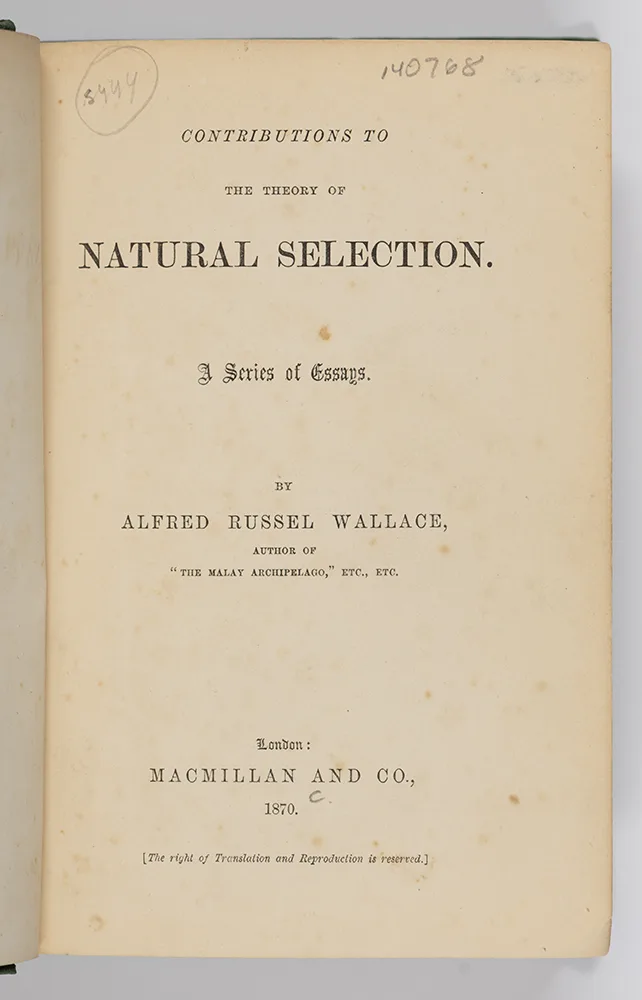
Natural Selection Essays

Contributions to Theory of Natural Selection
In 1870, Wallace published Contributions to the Theory of Natural Selection: A Series of Essays. This copy was presented to St. George Jackson Mivart (1827-1900), a fellow naturalist. Rob Alexander, Digital Collections, Libraries and Cultural Resources

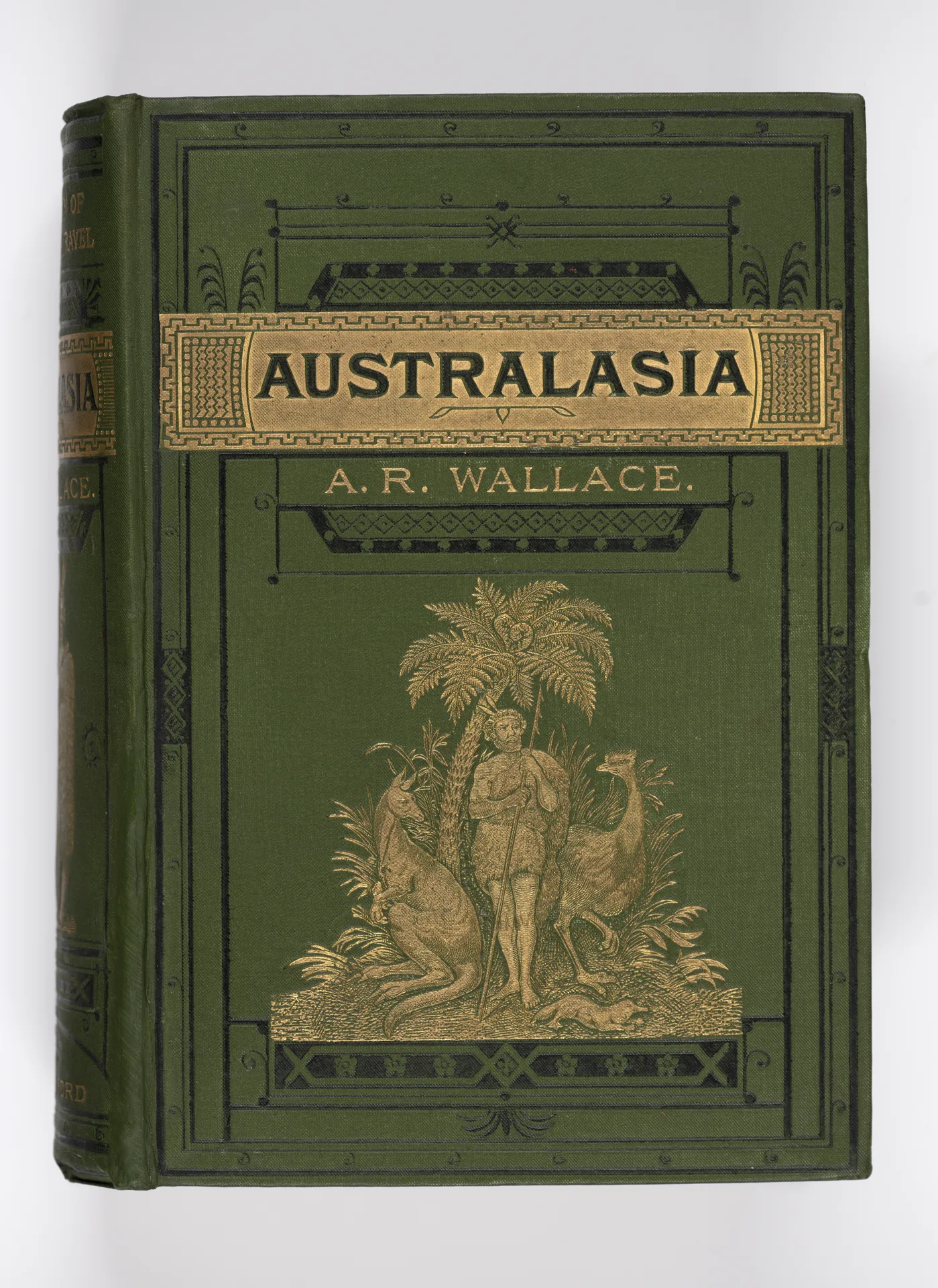
Australasia (1879)

Wallace Australasia 1879
Wallace published his volume Australasia in 1879. It was part of Stanford’s Compendium of Geography and Travel. Rob Alexander, Digital Collections, Libraries and Cultural Resources

The Malay Archipelago

The Malay Archipelago 1885 Reprint
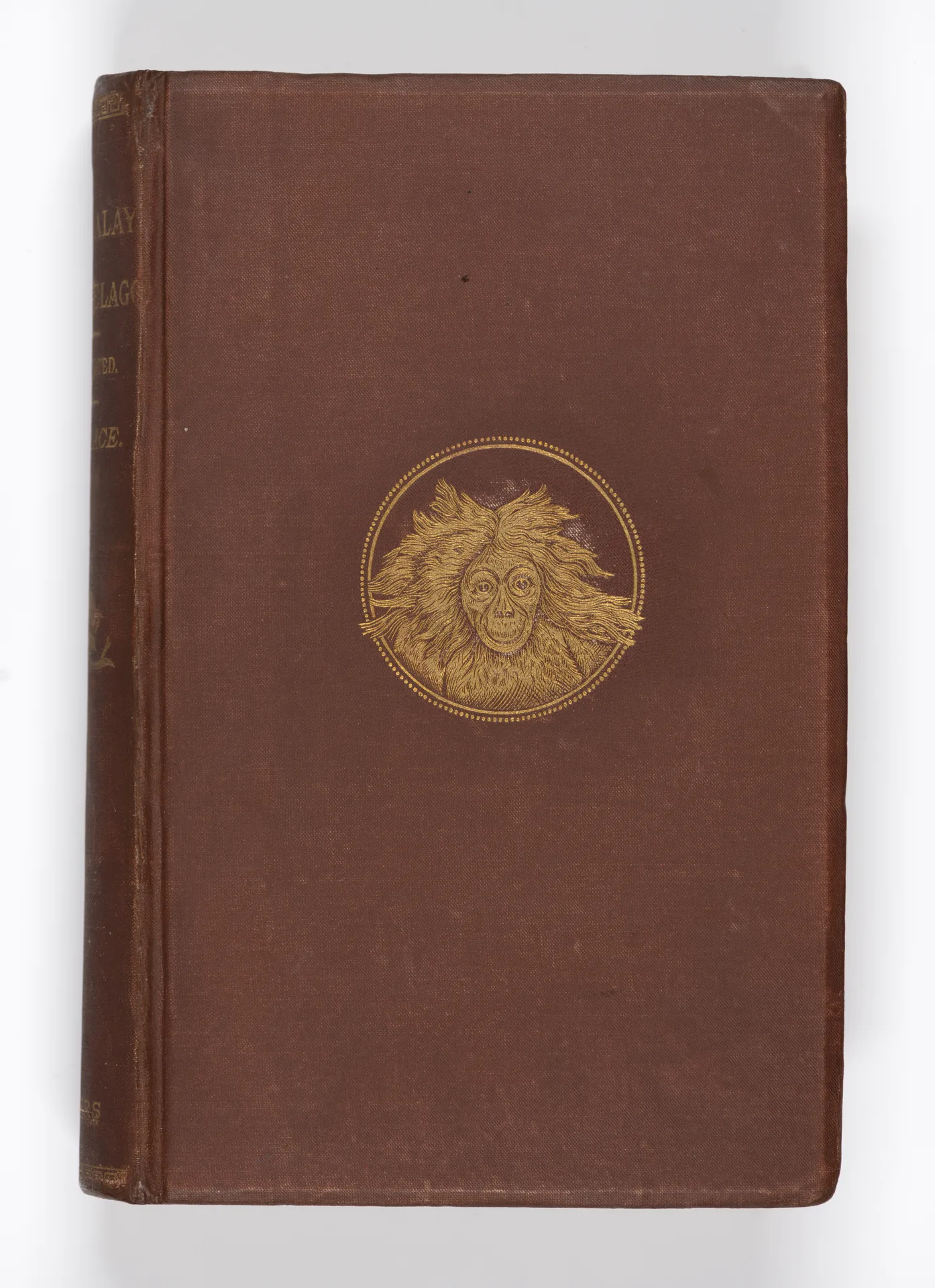
This 1885 reprint of the first US edition of The Malay Archipelago (1869) belonged to Alfred Russel Wallace’s nephew Arthur Henry Wallace (1868-1947) who lived in Berkeley, California. Rob Alexander, Digital Collections, Libraries and Cultural Resources

Darwinism (1889)

Wallace Darwinism 1889 Book
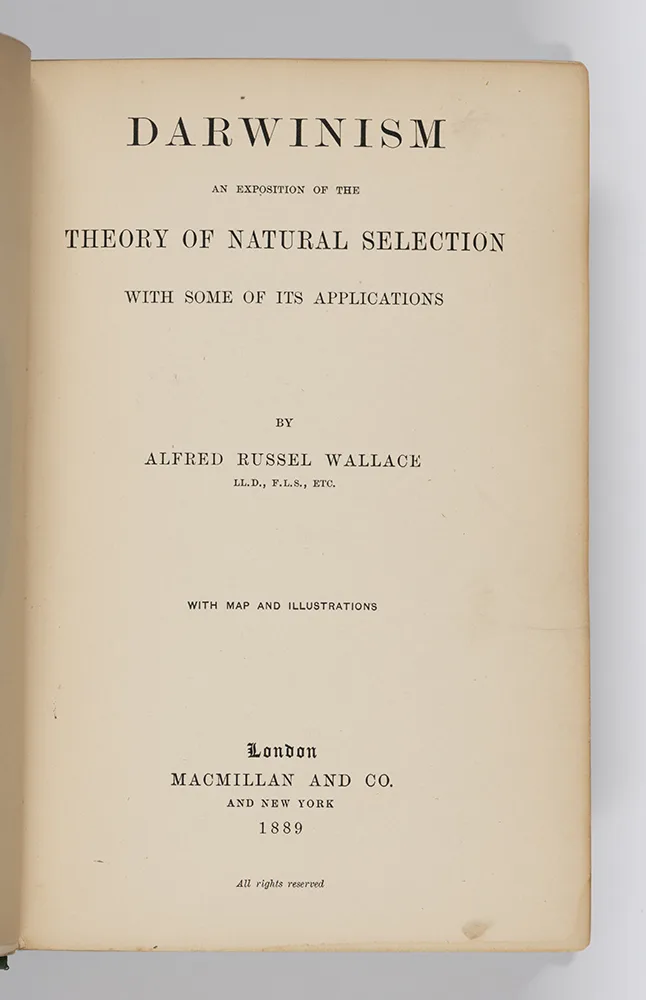
Wallace published Darwinism: An Exposition of the Theory of Natural Selection; with Some of its Applications in 1889. Rob Alexander, Digital Collections, Libraries and Cultural Resources

Presentation Copy to John Wallace

Darwinism Copy Presented to John Wallace
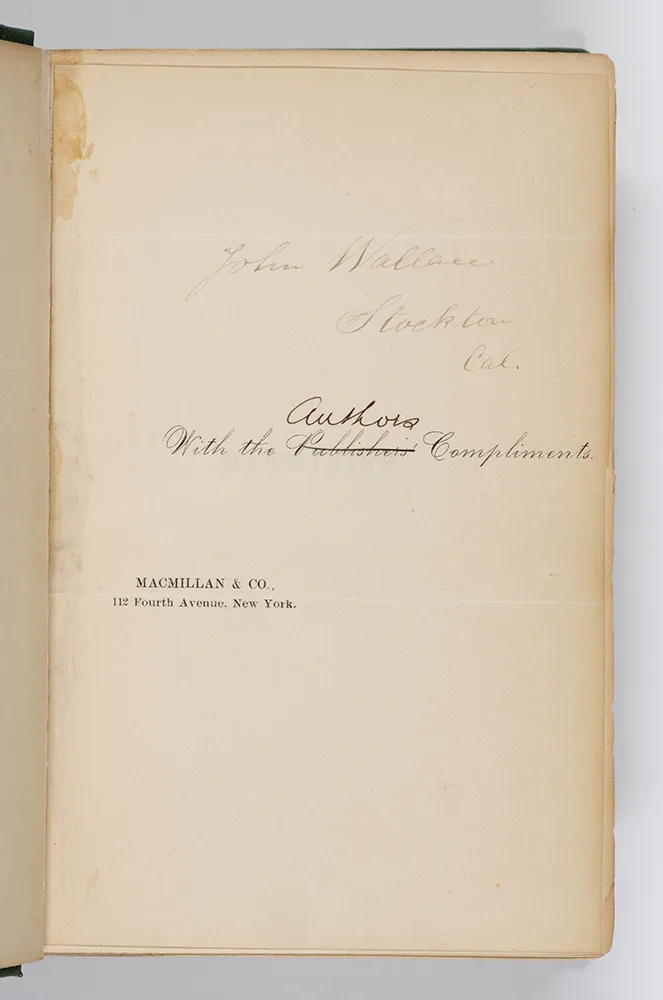
Wallace presented this copy of Darwinism to his brother, John Wallace, who lived in Stockton, California at the time. Rob Alexander, Digital Collections, Libraries and Cultural Resources

Island Life (1902)

Island Life 1902 Copy Presented to Eagle Clarke
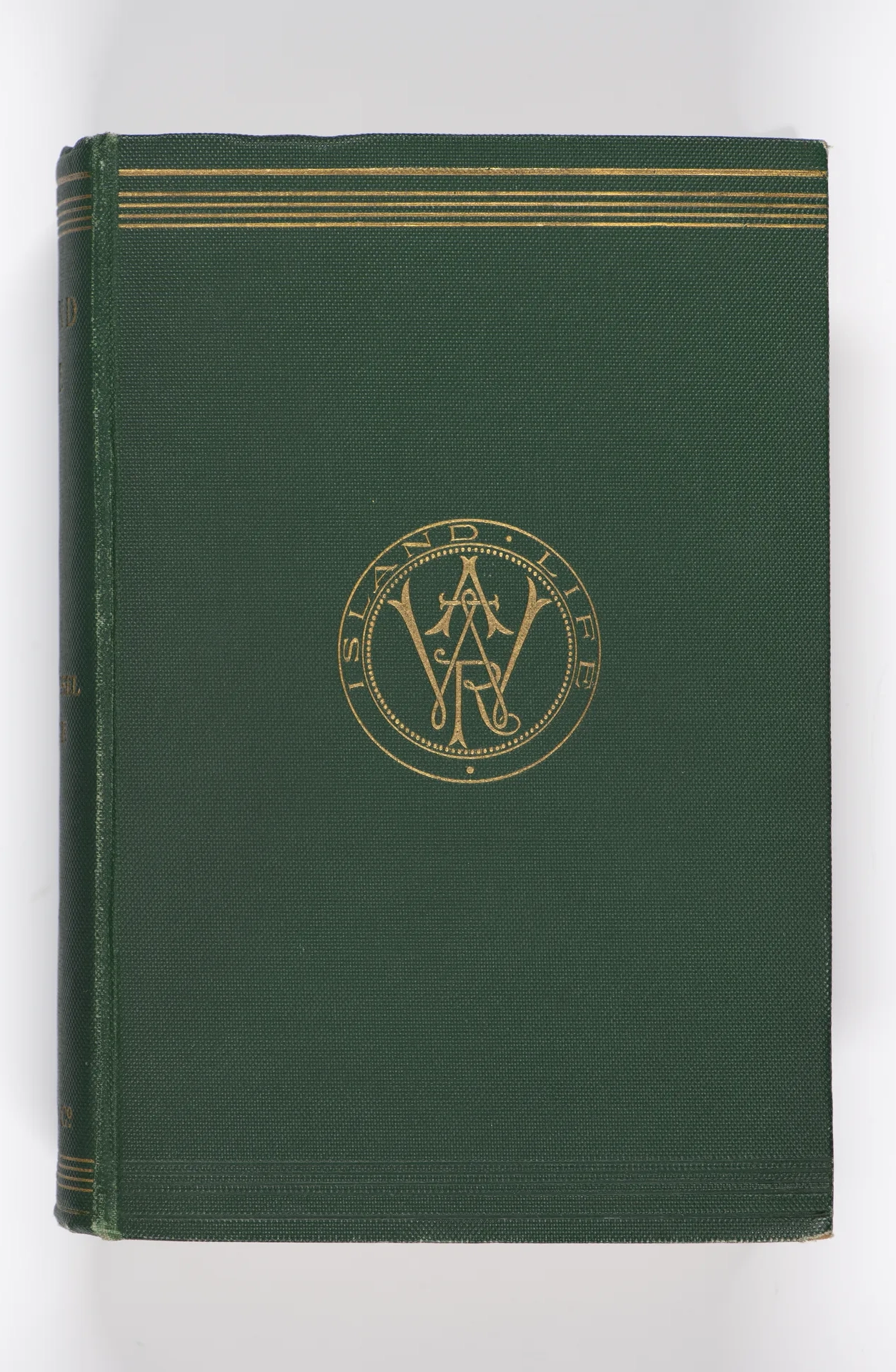
Wallace presented this later edition of Island Life (1902, first published in 1880) to the British ornithologist William Eagle Clarke. Rob Alexander, Digital Collections, Libraries and Cultural Resources

Original Correspondence

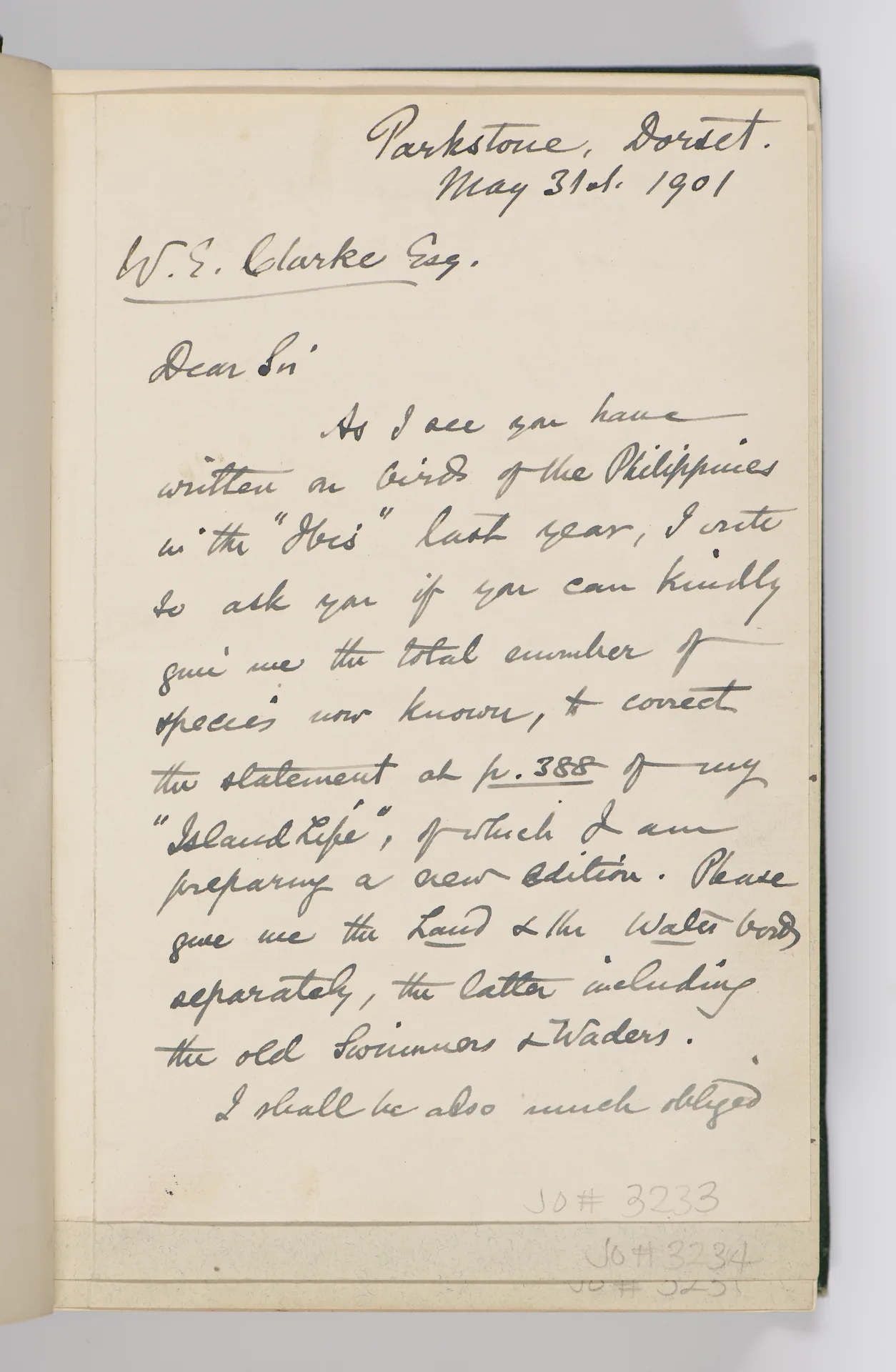
Letters from Wallace in Island Life
Included in Island Life are letters Clarke received from Wallace. Rob Alexander, Digital Collections, Libraries and Cultural Resources

Alfred Russel Wallace (c. 1907)

Cabinet Card Photo of Alfred Russel Wallace c. 1907
A cabinet card photo of Alfred Russel Wallace, c. 1907. Rob Alexander, Digital Collections, Libraries and Cultural Resources

Letters & Reminiscences (1916)

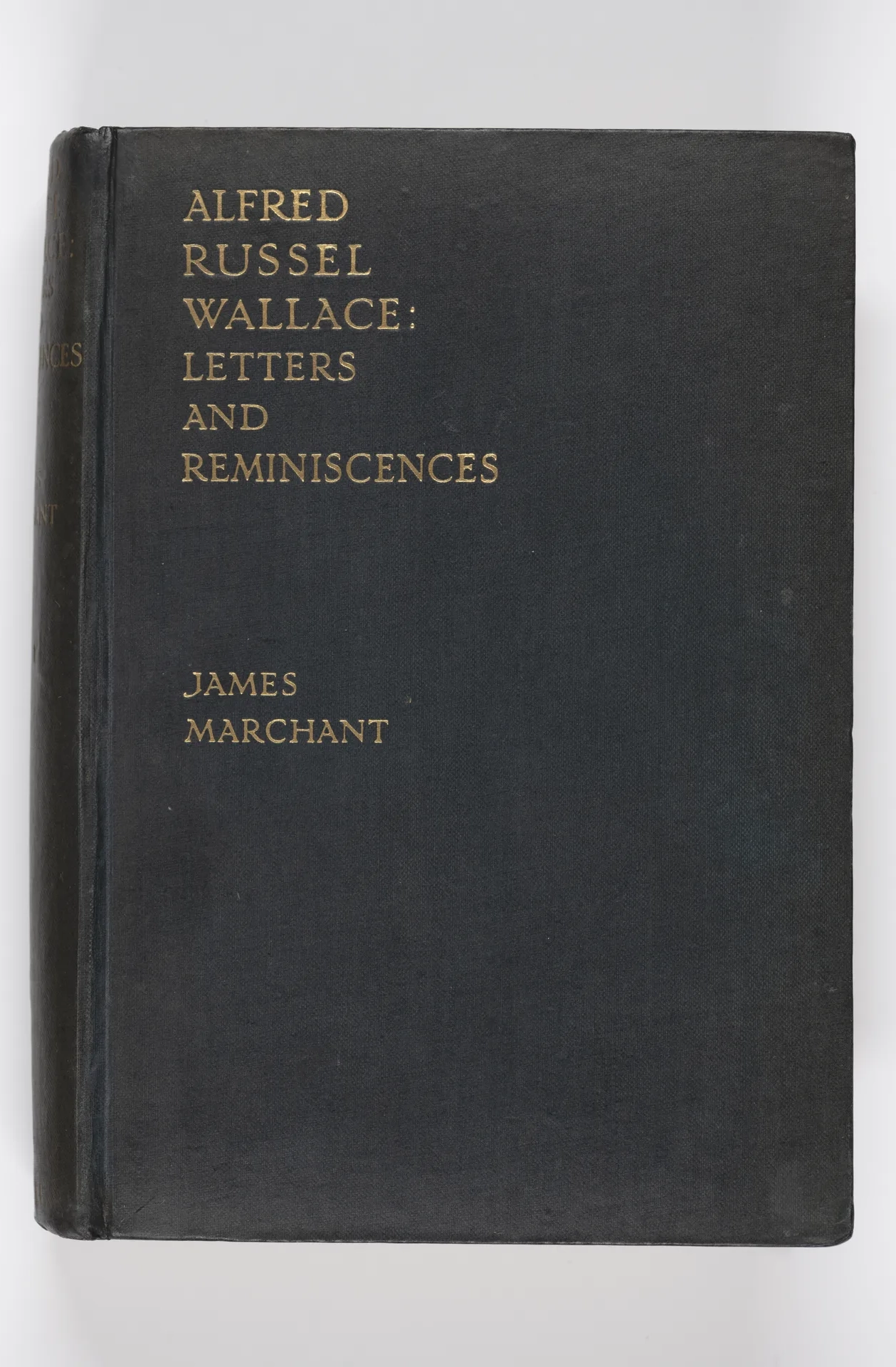
Alfred Russel Wallace Letters and Reminiscences 1916
Following Wallace’s death in 1913, Alfred Russel Wallace: Letters and Reminiscences appeared in 1916. Rob Alexander, Digital Collections, Libraries and Cultural Resources
Give feedback opens a new window